Advanced search collections
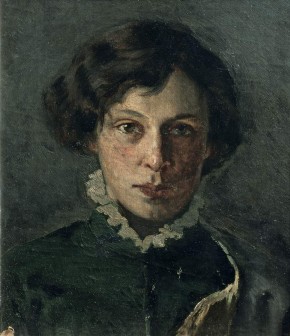
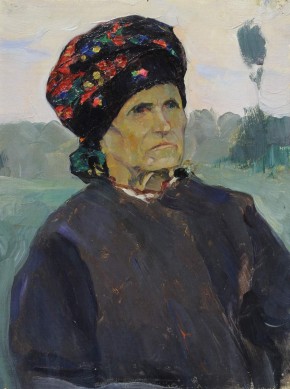
Портрет Марии Ивановны Нестеровой, рожд. Мартыновской (1862-1886), первой жены художника
- 1886
- Canvas mounted on cardboard, oil. 31,4 x 27,5
- The State Russian Museum
- Ж-1859
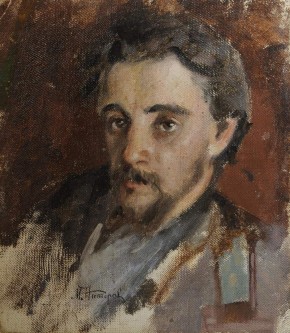
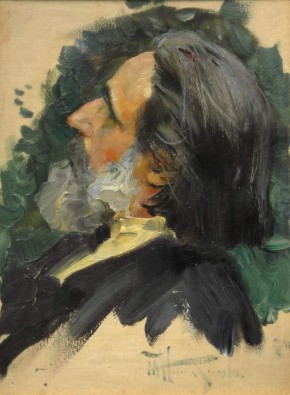
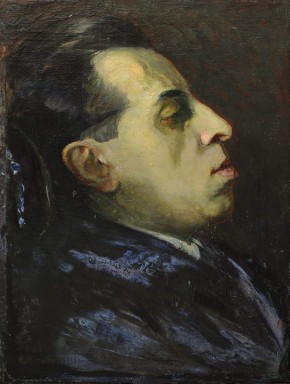
Портрет Сергея Алексеевича Коровина (1858-1908)
- 1886
- Canvas mounted on cardboard, oil. 23 x 20
- The State Russian Museum
- Ж-11335
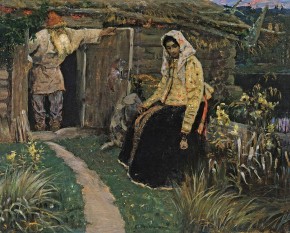
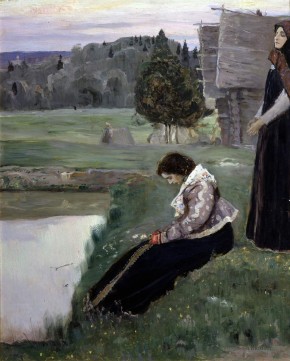
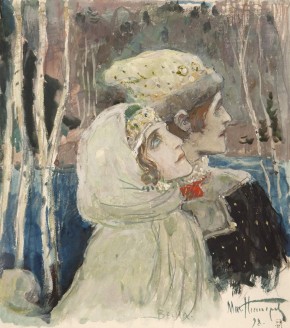
For a Love Portion
- Study for the painting of the same name (1888, Alexander Radischiev Art Museum, Samara)
- 1887–1888
- Canvas mounted on cardboard, oil. 39,5 × 48
- The State Russian Museum
- Ж-6282
Mikhail Nesterov’s series of paintings focus on life in the Old Believers’ sketes, in woody Zavolzhye. Nesterov depicts the costume wonderfully, showing the folds of the old heavy sarafans and the particular way the Old Believers wore their kerchiefs.
The love of nature and the countryside is something spontaneous and instinctive, and not likely to be influenced by reason. That is why unrequited love is one of the most common human dramas. From the earliest times, inconsolable souls who were in love would often seek answers to their questions from the hermits who lived alone in the forests, surrounded by an aura of mystery and fear. It appears that Nesterov's heroine has decided on this very course of action. Play and Passion in Russian Fine Art. St-Petersburg. 1999. P. 126.
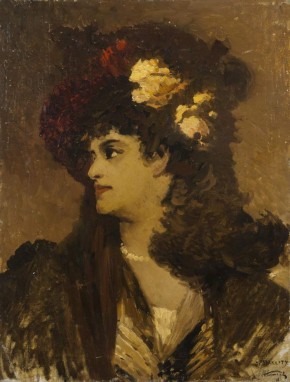
Портрет Т. М.
- 1887
- Canvas, oil. 74 x 57
- The State Russian Museum
- Ж-1852
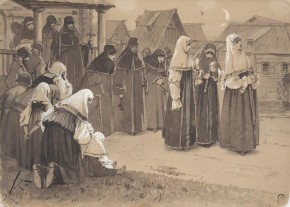
Великий постриг
- 1888
- grey paper, ink, white pigment. 18,2 x 25,5
- The State Russian Museum
- Р-6191
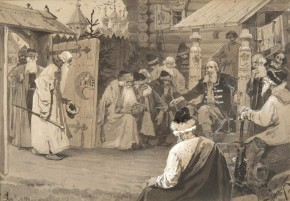
Минин перед войной советуется с боярами
- 1888
- Paper, ink, white pigment.
- The State Russian Museum
- Р-6189
Отец Геннадий
- 1888
- Canvas mounted on cardboard, oil. 26,7 x 22,2
- The State Russian Museum
- Ж-2344
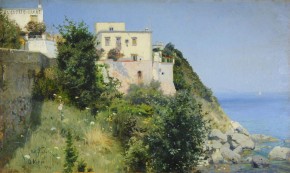
Остров Капри
- 1889
- Wood, oil. 23,2 x 38,5
- The State Russian Museum
- Ж-6123
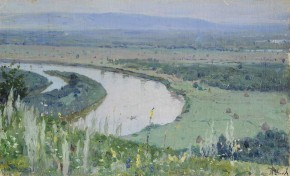
Вид с Чертова городища
- 1890
- Canvas mounted on cardboard, oil. 20,5 x 33
- The State Russian Museum
- Ж-8099
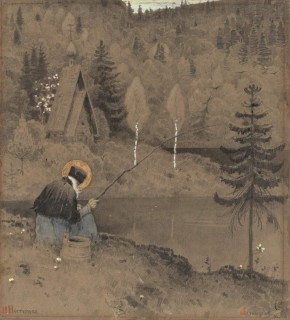
Святой Пафнутий Боровский
- 1890
- Paper, watercolour, graphite pencil, white pigment, gold. 26 x 23,5
- The State Russian Museum
- Р-6190
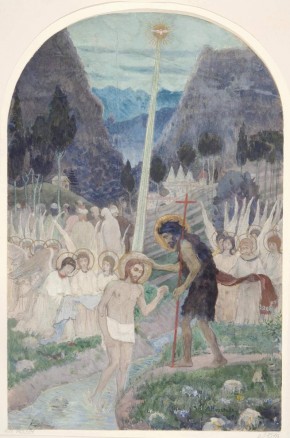
Крещение
- 1891
- Paper, gouache, watercolour, white pigment, bronze.
- The State Russian Museum
- Р-57516
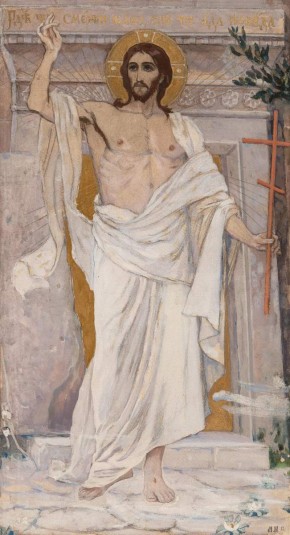
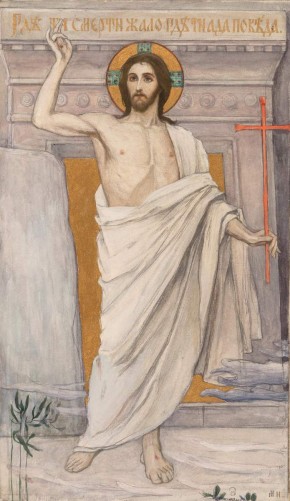
Воскресение Христа
- 1892
- Paper, gouache, bronze, graphite pencil. 51 x 28
- The State Russian Museum
- Р-57466
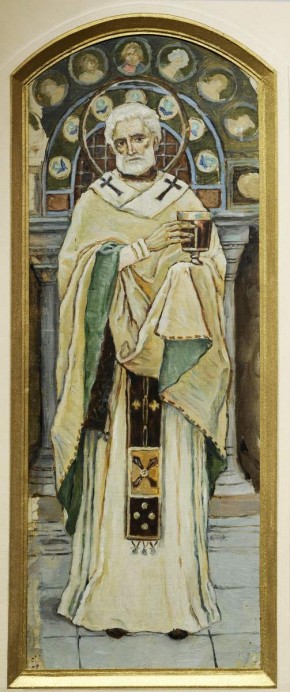
Святой Мефодий
- 1893
- Cardboard, oil. 39,5 x 14,8
- The State Russian Museum
- Ж-11710
Христос из композиции «Вознесения»
- 1893
- Paper, graphite pencil, watercolour, white pigment, bronze. 50,6 x 29,4
- The State Russian Museum
- Р-40869
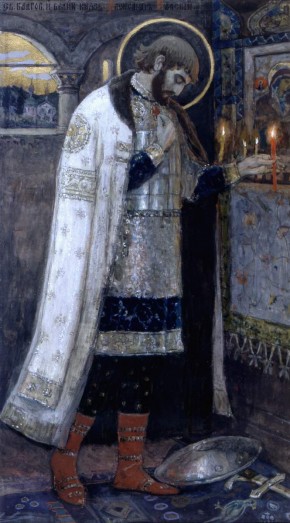
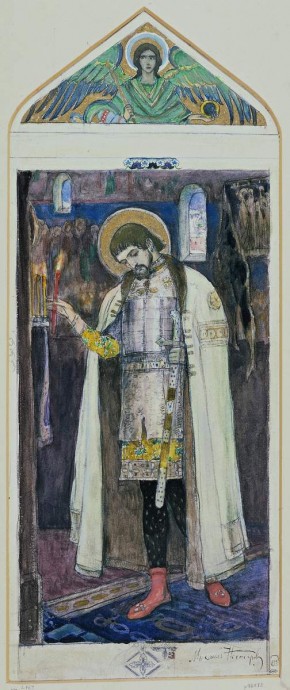
Благоверный князь Александр Невский, молящийся в храме Святой Софии перед Невской битвой
- 1894–1895
- paper mounted on cardboard, gouache, oil. 50 х 28,5
- The State Russian Museum
- Р-1595
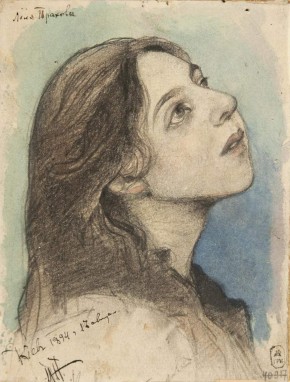
Портрет Лели Праховой
- 1894
- Paper, graphite pencil, watercolour. 14,1 x 10,7
- The State Russian Museum
- Р-1592
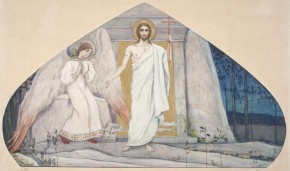
Воскресение Христово
- 1895
- Paper, watercolour, white pigment, bronze, graphite pencil. 37,1 x 64
- The State Russian Museum
- Р-40864
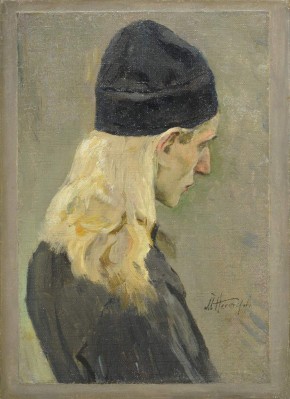
Голова молодого монаха
- Canvas, oil. 24,8 x 19,5
- The State Russian Museum
- Ж-1853
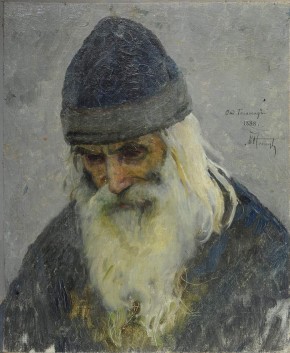
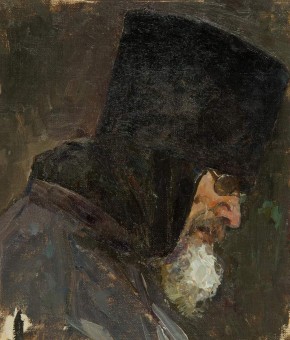
Голова старика
- Canvas, oil. 21 x 18,5
- The State Russian Museum
- Ж-2342
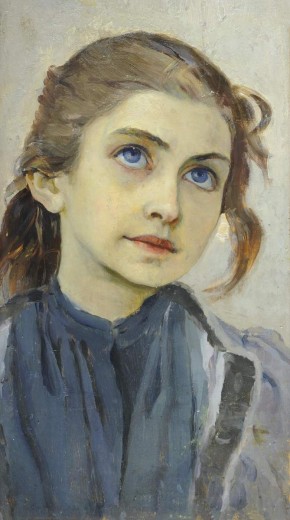
Девочка
- 1892
- Wood, oil. 38,7 x 21,9
- The State Russian Museum
- Ж-6560
Nesterov Mikhail Vasilyevich
1862, Ufa - 1942, MoscowPainter, portraitist, landscape artist, genre painter, author of memoirs and essays on artists. Studied at the Moscow School of Painting, Sculpture and Architecture (1877-81, 1884-86) and the Imperial Academy of Arts (1881-84). Full member of the Imperial Academy of Arts (1910). Member of the Society of Travelling Art Exhibitions (1896) and founding member of the Union of Russian Artists (1903). Contributed to the exhibitions of the Society of Travelling Art Exhibitions (1889-1901), World of Art (1899-1901), 36 Artists (1901-03), Union of Russian Artists (1922, 1923), All-Russian Exhibition in Nizhny Novgorod (1896), Exposition Universelle in Paris (1900), International Exhibitions in Munich (1898,1909) and Rome (1911), Die erste russische Kunstausstellung in Berlin (1922) and the Exhibition of Russian Art in New York (1924). Honoured Artist of the RUSSIAN SOVIET FEDERATED SOCIALIST REPUBLIC (1942).
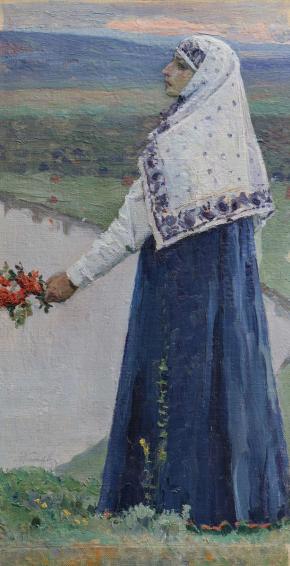
For a Love Portion
- Study for the painting of the same name (1888, Alexander Radischiev Art Museum, Samara)
- 1887–1888
- Canvas mounted on cardboard, oil. 39,5 × 48
- The State Russian Museum
- Ж-6282
Mikhail Nesterov’s series of paintings focus on life in the Old Believers’ sketes, in woody Zavolzhye. Nesterov depicts the costume wonderfully, showing the folds of the old heavy sarafans and the particular way the Old Believers wore their kerchiefs.
The love of nature and the countryside is something spontaneous and instinctive, and not likely to be influenced by reason. That is why unrequited love is one of the most common human dramas. From the earliest times, inconsolable souls who were in love would often seek answers to their questions from the hermits who lived alone in the forests, surrounded by an aura of mystery and fear. It appears that Nesterov's heroine has decided on this very course of action. Play and Passion in Russian Fine Art. St-Petersburg. 1999. P. 126.
Великий постриг
- 1888
- grey paper, ink, white pigment. 18,2 x 25,5
- The State Russian Museum
- Р-6191
On the Hills
- Study
- 1896
- Cardboard, oil. 40 × 21,5
- The State Russian Museum
- Ж-4338
Mikhail Nesterov’s series of paintings focus on life in the Old Believers’ sketes, in woody Zavolzhye. Nesterov depicts the costume wonderfully, showing the folds of the old heavy sarafans and the particular way the Old Believers wore their kerchiefs.
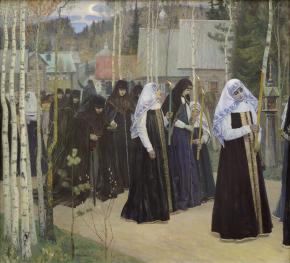
The Great Taking of the Veil
- 1898
- Canvas, oil. 178 x 195
- The State Russian Museum
- Ж-4335
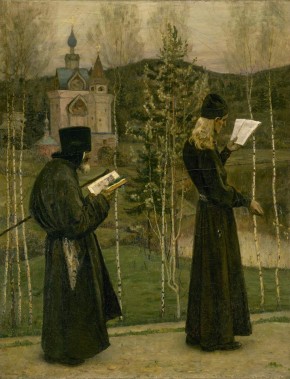
This is the finest work from the cycle of paintings by Mikhail Nesterov on the fate of Russian women, inspired by the novels of Pavel Melnikov-Pechersky on the lives of the Old Believers. The artist depicts a procession of nuns accompanying a novice to the taking of the veil among the thick forests of the Volga countryside. A quiet sorrow shines in their pensive faces. Mikhail Nesterov was elected to the Imperial Academy of Arts for this painting in 1898. Russian Museum: From Icons to the Modern Times. Palace Editions, St Petersburg, 2015. P. 249.
Думы
- 1900
- Wood, oil. 66 x 54
- The State Russian Museum
- Ж-6122
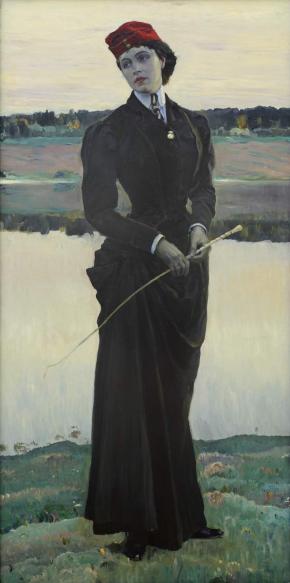
Portrait of the Artist’s Daughter
- 1906
- Canvas, oil. 175 x 86,5
- The State Russian Museum
- Ж-4336
Mikhail Nesterov often portrayed his eldest daughter Olga. This famous portrait depicts her in riding gear on the bank of the White River outside Ufa. The composition is based on a study from life later finished in Kiev. The slender figure of the young woman is depicted against a background of green fields commonly encountered in Nesterov’s works. Olga’s slightly wearisome face betrays a hint of light grief, corresponding to the quiet state of nature in the hours before sundown. The canvas is pervaded with a mood of soft and elegaic meditation. As the artist once said: «I avoid depicting ‘strong passions’; I prefer our quiet landscapes and the inner life of man.» Olga Mikhailovna Nesterova (married name Schroeter) (1886–1973). Russian Museum: From Icons to the Modern Times. Palace Editions, St Petersburg, 2015. P. 251.
Портрет Марии Ивановны Нестеровой, рожд. Мартыновской (1862-1886), первой жены художника
- 1886
- Canvas mounted on cardboard, oil. 31,4 x 27,5
- The State Russian Museum
- Ж-1859
Портрет Сергея Алексеевича Коровина (1858-1908)
- 1886
- Canvas mounted on cardboard, oil. 23 x 20
- The State Russian Museum
- Ж-11335
Портрет Т. М.
- 1887
- Canvas, oil. 74 x 57
- The State Russian Museum
- Ж-1852
Отец Геннадий
- 1888
- Canvas mounted on cardboard, oil. 26,7 x 22,2
- The State Russian Museum
- Ж-2344
Портрет Лели Праховой
- 1894
- Paper, graphite pencil, watercolour. 14,1 x 10,7
- The State Russian Museum
- Р-1592
Голова молодого монаха
- Canvas, oil. 24,8 x 19,5
- The State Russian Museum
- Ж-1853
Голова старика
- Canvas, oil. 21 x 18,5
- The State Russian Museum
- Ж-2342
Девочка
- 1892
- Wood, oil. 38,7 x 21,9
- The State Russian Museum
- Ж-6560
Весна
- 1898
- Paper, gouache, graphite pencil. 26,2 x 23
- The State Russian Museum
- Р-56829
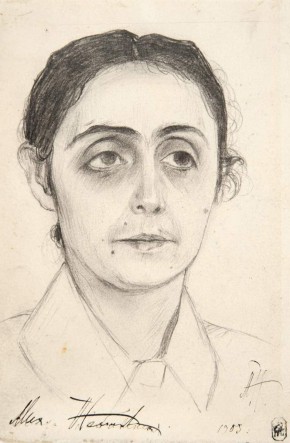
Портрет сестры милосердия Кобчевской
- 1905
- Paper, graphite pencil. 16 x 10,5
- The State Russian Museum
- Р-1587
Portrait of the Artist’s Daughter
- 1906
- Canvas, oil. 175 x 86,5
- The State Russian Museum
- Ж-4336
Mikhail Nesterov often portrayed his eldest daughter Olga. This famous portrait depicts her in riding gear on the bank of the White River outside Ufa. The composition is based on a study from life later finished in Kiev. The slender figure of the young woman is depicted against a background of green fields commonly encountered in Nesterov’s works. Olga’s slightly wearisome face betrays a hint of light grief, corresponding to the quiet state of nature in the hours before sundown. The canvas is pervaded with a mood of soft and elegaic meditation. As the artist once said: «I avoid depicting ‘strong passions’; I prefer our quiet landscapes and the inner life of man.» Olga Mikhailovna Nesterova (married name Schroeter) (1886–1973). Russian Museum: From Icons to the Modern Times. Palace Editions, St Petersburg, 2015. P. 251.
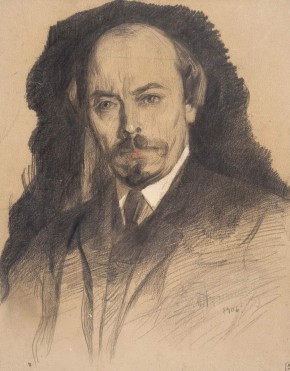
Автопортрет
- 1906
- Paper, graphite pencil, white pigment, sanguine. 31 x 24,5
- The State Russian Museum
- Р-54312
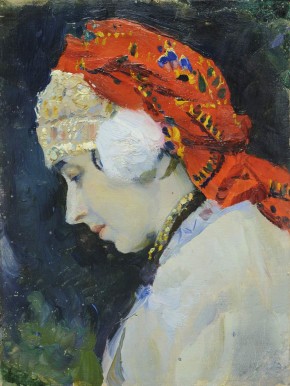
Женский портрет
- 1908-1911
- Canvas mounted on cardboard, oil. 19,5 x 15,5
- The State Russian Museum
- Ж-11174
Тетка Елизавета
- 1908-1910
- Cardboard, oil. 25 x 20
- The State Russian Museum
- Ж-6559
Портрет скульптора В. А. Беклемишева
- 1910
- Canvas mounted on cardboard, oil. 24 x 18
- The State Russian Museum
- Ж-7868
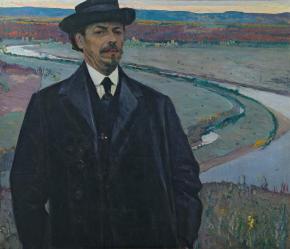
Self-Portrait
- 1915
- Canvas, oil.
- The State Russian Museum
- Ж-4340
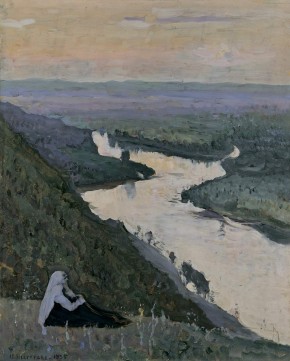
The vista of the winding river, green banks and strip of forest on the horizon is quiet and tranquil. Moved to the left, the massive and monumental figure of the artist sharply contrasts this peaceful landscape. Mikhail Nesterov creates the image of a man of great strength of spirit, immersed in profound and tense meditation. The touching yellow flower alongside the figure, painted by a few light brushstrokes, underlines the artist’s aloof loneliness.
Автопортрет
- 1928
- Canvas, oil. 77 x 75
- The State Russian Museum
- Ж-4343
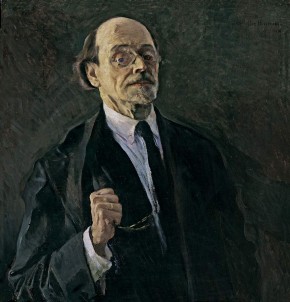
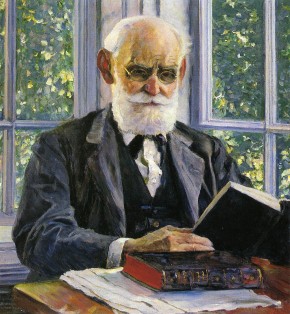
Portrait of Ivan Pavlov
- 1930
- Canvas, oil.
- The State Russian Museum
- Ж-4341
Ivan Petrovich Pavlov (1849–1936): Physiologist, developed the concept of the conditioned reflex. Member of the Imperial Academy of Sciences (1907) and the Academy of Sciences of the USSR. Awarded the Noble Prize (1904).
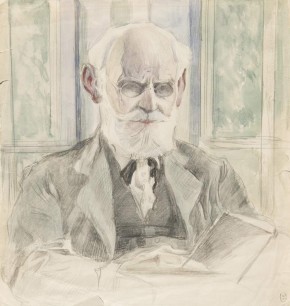
In 1925, in one of his letters to his biographer, Mikhail Nesterov noted that he had for many years been living not among the “brotherhood” of artists, but among professors and scientists. Such people urged the artist to paint a portrait of Ivan Pavlov, showing him photographs and portraits of the famous Russian scientist. Their “matchmaking” had little success until the two men actually met in 1930. Nesterov was taken by surprise: “Ivan Pavlov was not a bit like the ‘official’ photos I had been shown. I resolved to paint his portrait.” This meeting marked the beginning of a long and close friendship between the artist and the scientist. Invited to the scientific “village” of Koltushi, Nesterov decided to paint a portrait of Pavlov sitting on the covered veranda where he liked to work. The artist’s interest in the scholar’s personality and “explosive” temperament is reflected in the speed with which he painted his portrait. Finished after only three weeks, Portrait of Ivan Pavlov was acquired by the Institute of Experimental Medicine. After Pavlov fell seriously ill in 1933, Nesterov decided to paint a second portrait, which was immediately acquired by the Tretyakov Gallery in Moscow. Nesterov presented Pavlov with a repetition of the first portrait on his eightieth birthday. In 1940, the Institute of Experimental Medicine presented the original portrait to the Russian Museum, retaining the repetition for itself.
After Ivan Pavlov’s death, Nesterov spent several summers in Koltushi at the invitation of his family. He later wrote memoirs of Pavlov and the history of the creation of the portrait.
Набросок к портрету академика Ивана Петровича Павлова
- 1930
- Graphite pencil, watercolour. 27 x 24,5
- The State Russian Museum
- РС-5672
Портрет А. М. Нестерова
- 1930
- Canvas, oil. 40 x 32
- The State Russian Museum
- Ж-7870
Остров Капри
- 1889
- Wood, oil. 23,2 x 38,5
- The State Russian Museum
- Ж-6123
Вид с Чертова городища
- 1890
- Canvas mounted on cardboard, oil. 20,5 x 33
- The State Russian Museum
- Ж-8099
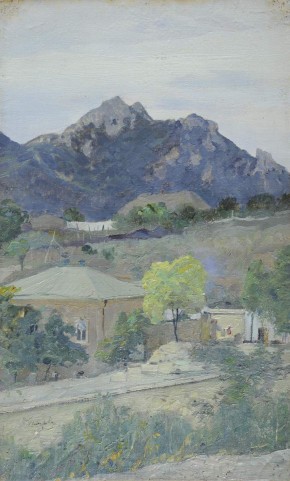
Пятигорск
- Cardboard, oil. 34 x 20,5
- The State Russian Museum
- Ж-4339
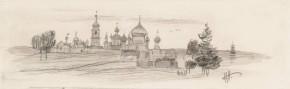
Рисунок для концовки в книге В. М. Михеева «Отрок-мученик»
- Graphite pencil. 6,2 x 20
- The State Russian Museum
- Р-57948
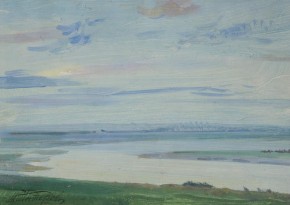
Дали
- 1900s
- Cardboard, oil. 16 x 23
- The State Russian Museum
- Ж-9870
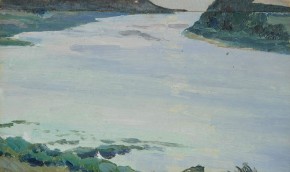
Река
- 1900s
- Cardboard, oil. 11 x 20
- The State Russian Museum
- Ж-9869
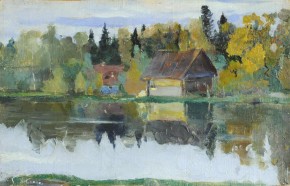
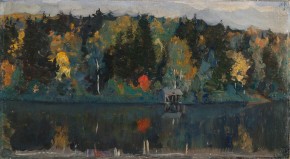
На берегу реки осенью. Абрамцево
- 1908
- Canvas mounted on cardboard, oil. 21 x 32
- The State Russian Museum
- Ж-10454
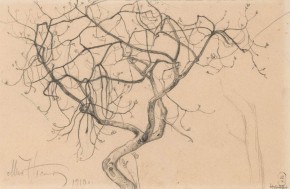
Дерево
- 1910
- Paper, graphite pencil. 12 x 18,5
- The State Russian Museum
- Р-1591
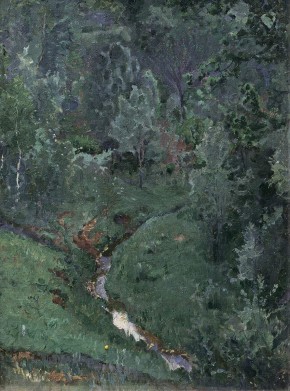
Овражек
- 1912
- Canvas mounted on cardboard, oil. 35,9 x 26,6
- The State Russian Museum
- Ж-1854
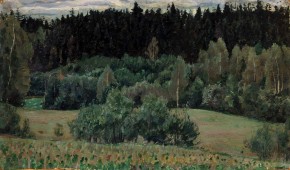
Landscape
- 1917
- Canvas mounted on cardboard, oil. 22,5 х 39
- The State Russian Museum
- Ж-12116
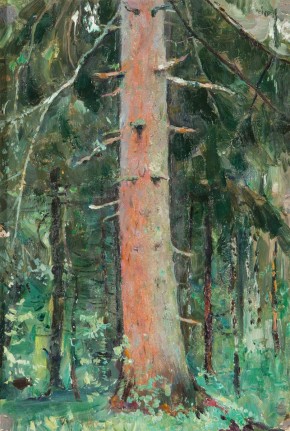
Сосна
- Cardboard, oil. 32 x 22
- The State Russian Museum
- Ж-6562
Осенний пейзаж
- Cardboard, oil.
- The State Russian Museum
- Ж-11052
Осень
- 1922
- Canvas mounted on cardboard, oil. 14 x 25,5
- The State Russian Museum
- Ж-9868
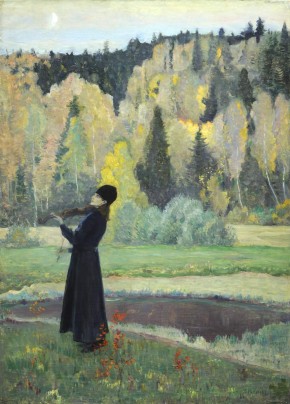
Элегия (Слепой музыкант)
- 1928
- Canvas, oil. 90,5 x 65
- The State Russian Museum
- Ж-1858
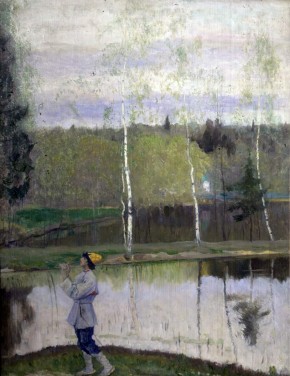
Лель (Весна)
- 1933
- Canvas, oil. 81,5 x 61
- The State Russian Museum
- Ж-1857
Река Уфимка
- 1935
- Cardboard, oil. 55 x 44
- The State Russian Museum
- Ж-7836
Святой Пафнутий Боровский
- 1890
- Paper, watercolour, graphite pencil, white pigment, gold. 26 x 23,5
- The State Russian Museum
- Р-6190
Под благовест
- 1895
- Canvas, oil. 159 x 124
- The State Russian Museum
- Ж-1851
Труды Сергия Радонежского
- 1896
- Paper, graphite pencil. 25 x 16,7
- The State Russian Museum
- Р-1586
Venerable Sergius of Radonezh
- 1899
- Canvas, oil. 248 х 248
- The State Russian Museum
- Ж-1848
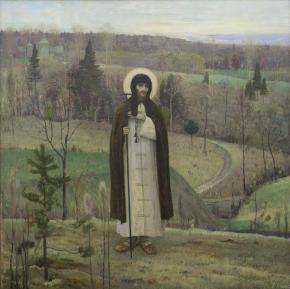
M.V. Nesterov believed that the salvation of Russia lied in a moral ideal. For the artist the embodiment of such an ideal of Venerable Sergius of Radonezh, the founder of the Trinity Lavra of St. Sergius, a hermit, a wonder-worker, a patron saint of all Russian lands. The image of Sergius of Radonezh attracted the artist’s attention during his whole life. Nesterov studied his deeds in chronicles and annals, and the results of these studies were 15 major paintings dedicated to the “hegumen of all Russia”. Among them there are Vision to Young Varfolomey and Youth of Venerable Sergius created in 1892—1897; a triptych Deeds of Venerable Sergius dated back to 1896—1897; Venerable Sergius 1899; studies for the work Venerable Sergius Bids Farewell to Dmitry Donskoy created in 1898—1899 and many others. The painter himself wrote about his favourite character: “I painted the life of a good Russian man of the 14th century, a man who sensed Nature and its beauty, and a man who loved his motherland and strived for truth. I illustrated a legend that my people made long ago about a person who was worth their love and memory”.
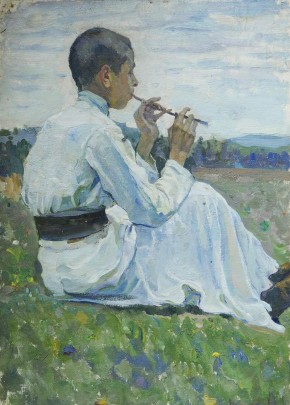
Пастушок
- 1910s
- Cardboard, oil. 37,8 x 26,5
- The State Russian Museum
- Ж-6561
Крещение
- 1891
- Paper, gouache, watercolour, white pigment, bronze.
- The State Russian Museum
- Р-57516
Воскресение Христа
- 1892
- Paper, gouache, bronze, graphite pencil. 51 x 28
- The State Russian Museum
- Р-57466
Святой Мефодий
- 1893
- Cardboard, oil. 39,5 x 14,8
- The State Russian Museum
- Ж-11710
Христос из композиции «Вознесения»
- 1893
- Paper, graphite pencil, watercolour, white pigment, bronze. 50,6 x 29,4
- The State Russian Museum
- Р-40869
Благоверный князь Александр Невский, молящийся в храме Святой Софии перед Невской битвой
- 1894–1895
- paper mounted on cardboard, gouache, oil. 50 х 28,5
- The State Russian Museum
- Р-1595
Воскресение Христово
- 1895
- Paper, watercolour, white pigment, bronze, graphite pencil. 37,1 x 64
- The State Russian Museum
- Р-40864
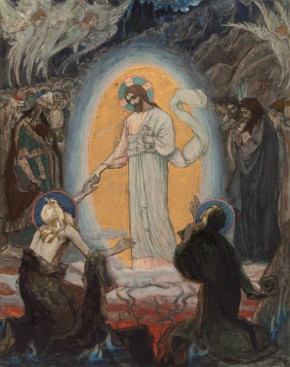
Сошествие Христа во ад
- 1895
- paper mounted on cardboard, tempera, ink, bronze paint, sauce, graphite pencil, varnish. 51,2 х 40,4
- The State Russian Museum
- Р-40866
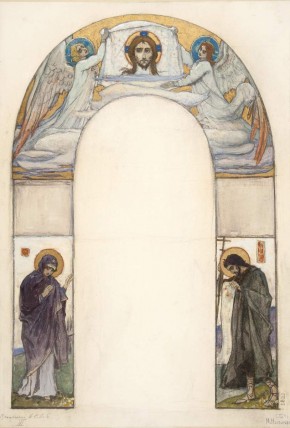
«Нерукотворный образ», Иоанн-Креститель и Богоматерь
- 1896
- Paper, watercolour, white pigment, bronze, graphite pencil. 63,5 x 43,4
- The State Russian Museum
- Р-40865
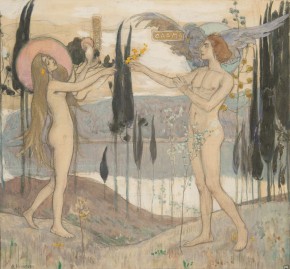
Адам и Ева
- 1898
- Graphite pencil, watercolour, gouache, gold. 30,5 x 33
- The State Russian Museum
- Р-6187
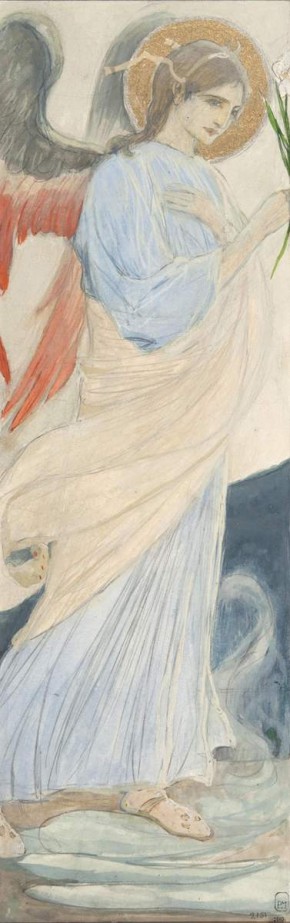
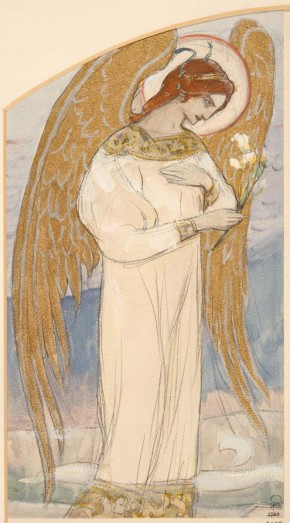
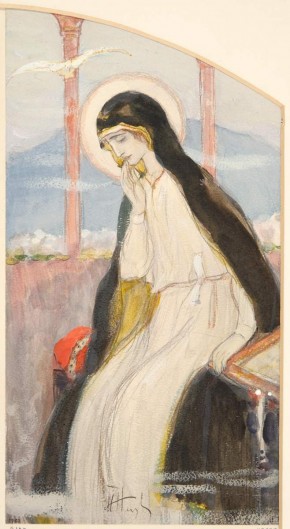
Благовещение: Архангел Гавриил
- Paper, gouache, watercolour, graphite pencil.
- The State Russian Museum
- Р-40910
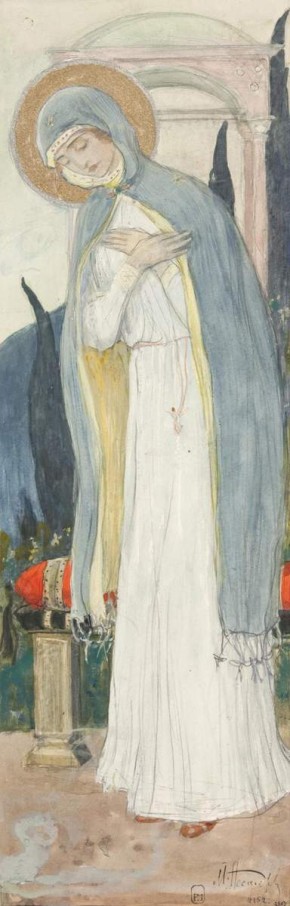
Благовещение: Дева Мария
- Paper, gouache, watercolour, graphite pencil.
- The State Russian Museum
- Р-40911
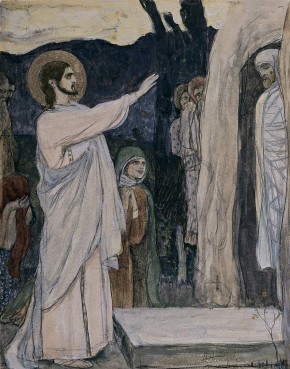
Воскрешение Лазаря
- 1898 - 1899
- Paper, gouache, graphite pencil.
- The State Russian Museum
- Р-40899
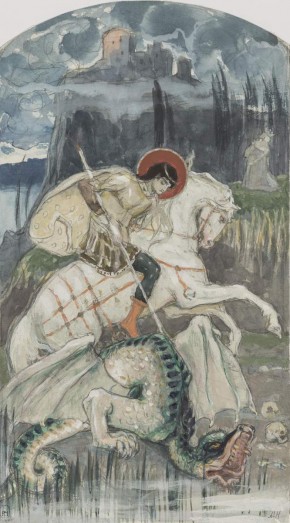
Георгий Победоносец
- 1898
- Paper, gouache, watercolour, bronze. 32,4 x 18
- The State Russian Museum
- Р-1593
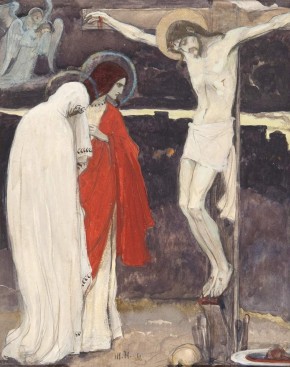
Голгофа
- 1898 - 1899
- Paper, gouache, watercolour, graphite pencil.
- The State Russian Museum
- Р-40902
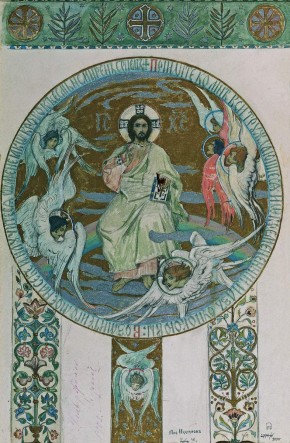
Спас Вседержитель
- 1898
- Paper, gouache, watercolour, white pigment, bronze, graphite pencil.
- The State Russian Museum
- Р-40877
Благоверный князь Александр Невский, молящийся перед Невской битвой в соборе Святой Софии Новгородской
- 1899
- Paper, gouache, watercolour, white pigment, bronze, graphite pencil.
- The State Russian Museum
- Р-40872
Благовещение: Архангел Гавриил
- 1899-1900
- Paper, gouache, watercolour, bronze, graphite pencil.
- The State Russian Museum
- Р-40886
Благовещение: Дева Мария
- 1899-1900
- Paper, gouache, graphite pencil.
- The State Russian Museum
- Р-40887
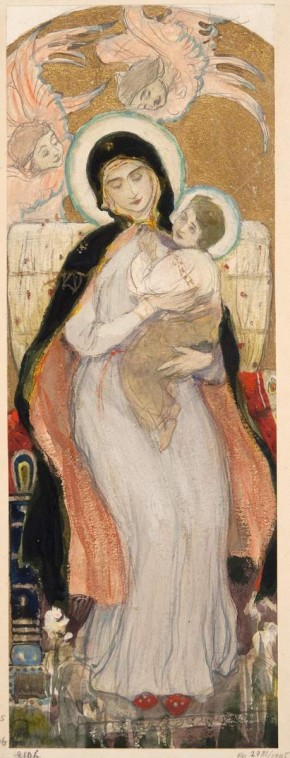
Богоматерь с младенцем
- 1899-1900
- Paper, gouache, watercolour, bronze, graphite pencil. 32,7 x 11,8
- The State Russian Museum
- Р-40895
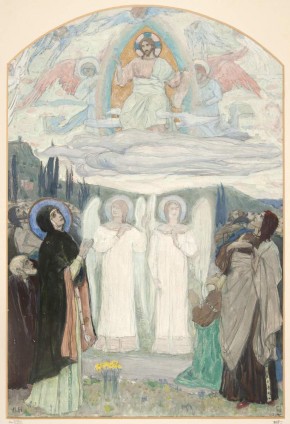
Вознесение Господне
- 1898 - 1899
- Paper, watercolour, gouache, graphite pencil.
- The State Russian Museum
- Р-40903