Advanced search collections
Древлехранилище памятников иконописи и церковной старины в Русском музее
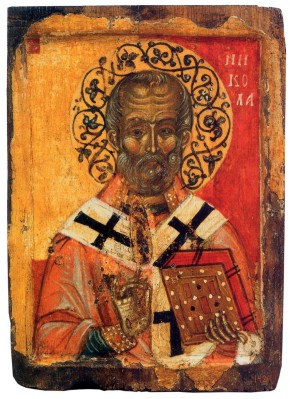
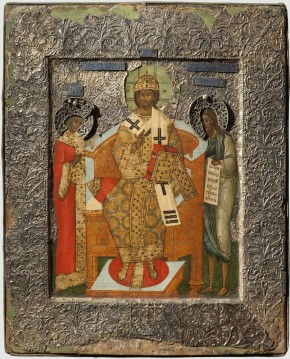
Святой Николай Чудотворец
- Wood, gesso, tempera. 27,0 х 20,0 х 2,0
- The State Russian Museum
- ДРЖ-2058
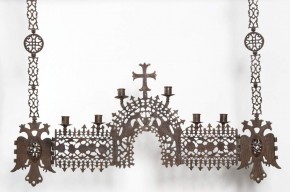
Деталь хороса
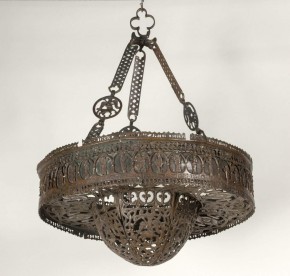
- Bronze, casting. 50 × 112 × 6
- The State Russian Museum
- ДРМ-3353
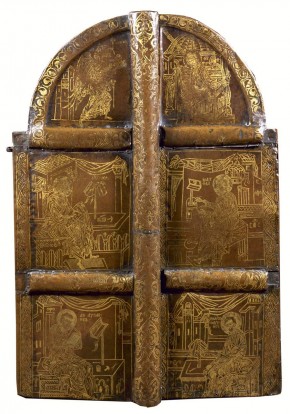
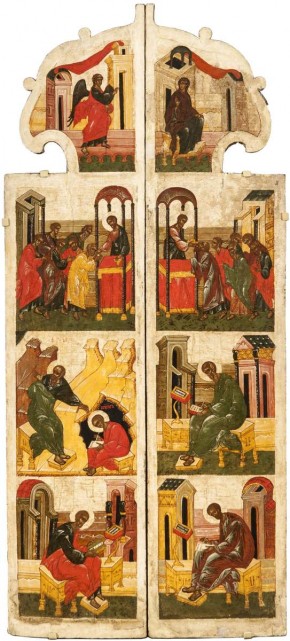
Царские врата («Лихачевские»)
- Wood, copper, .
- The State Russian Museum
- ДРМ-3383
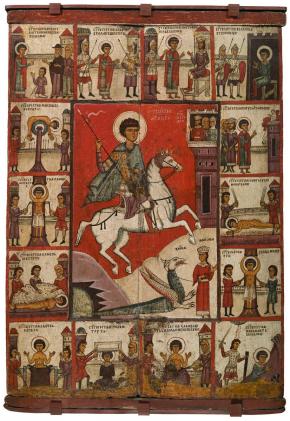
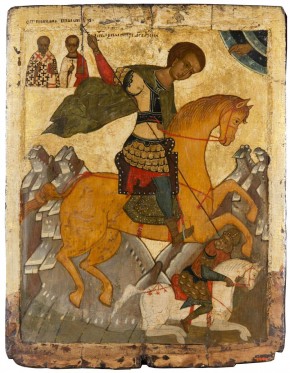
Miracle of St.George and the Dragon, with Scenes from his Life
- Novgorod
- Wood, gesso, tempera. 86 х 63 х 2,5
- The State Russian Museum
- ДРЖ-2118
Parts:
- St. George gives away his possessions to the poor
- Warriors arrest St. George
- St. George before the Emperor
- St. George in prison
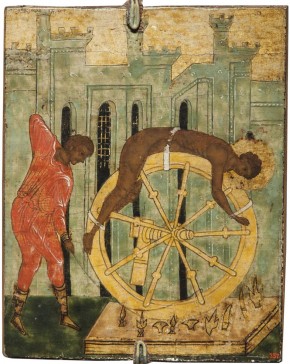
- St. George tortured on the wheel
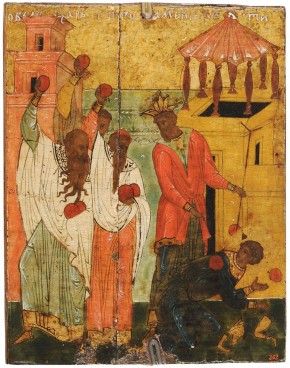
- St. George destroys idols
- St. George tortured with rods
- St. George is flogged
- St. George “crushed by a rock”
- Torture with candles
- St. George “boiled in a cauldron”
- St. George tortured with a saw
- St. George boiled in pitch
- St. George’s is beheaded.
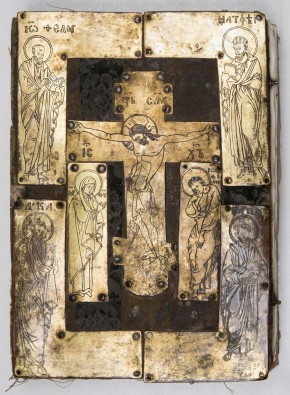
Евангелие
- .
- The State Russian Museum
- ДР/ГР.-11
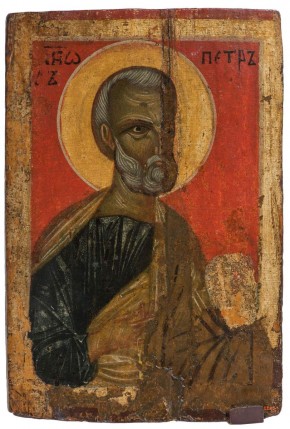
Апостол Петр
- Wood, gesso, tempera, . 32,3 х 22,0 х 1,5
- The State Russian Museum
- ДРЖ-1634
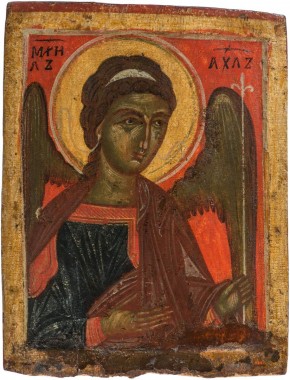
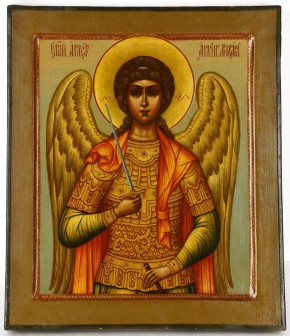
Архангел Михаил
- Wood, gesso, tempera, . 32,5 х 25,5
- The State Russian Museum
- ДРЖ-1632
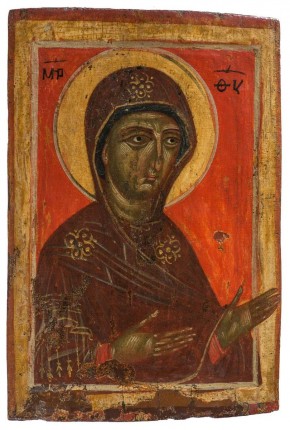
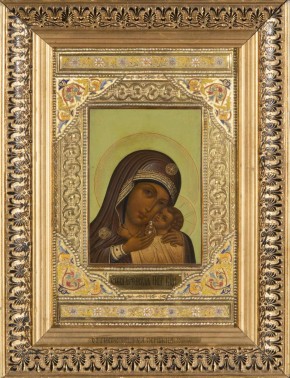
Богоматерь
- Wood, gesso, tempera, . 34,2 × 23,2 × 1,5
- The State Russian Museum
- ДРЖ-1630
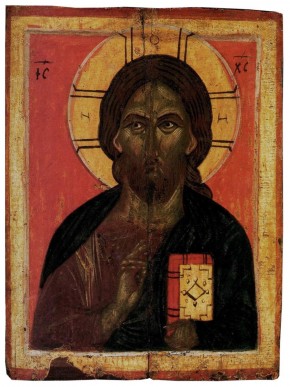
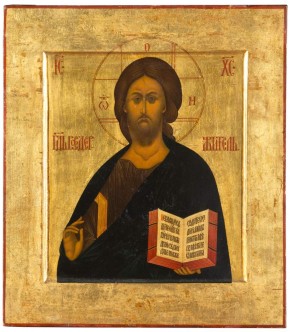
Христос Вседержитель
- Wood, gesso, tempera, . 33,5 × 23,3 × 1,5
- The State Russian Museum
- ДРЖ-1629
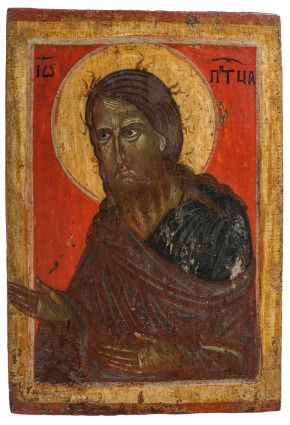
Иоанн Предтеча
- Wood, gesso, tempera, . 33,3 × 23 × 1,5
- The State Russian Museum
- ДРЖ-1631
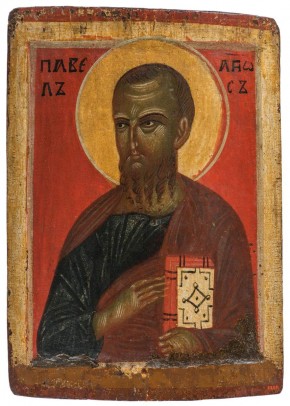
Апостол Павел
- Wood, gesso, tempera, . 31,6 х 23,2
- The State Russian Museum
- ДРЖ-1635
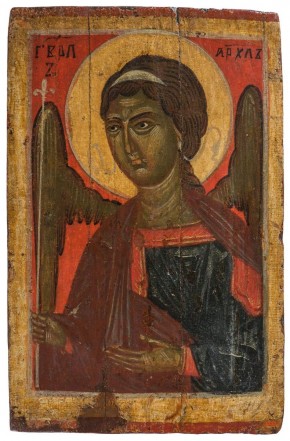
Архангел Гавриил
- Wood, gesso, tempera, . 33,2 х 22,2 х 1,5
- The State Russian Museum
- ДРЖ-1633
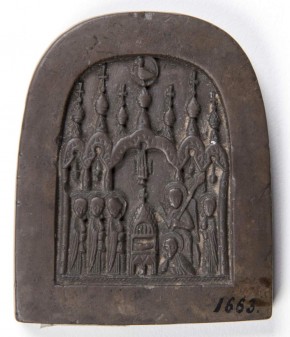
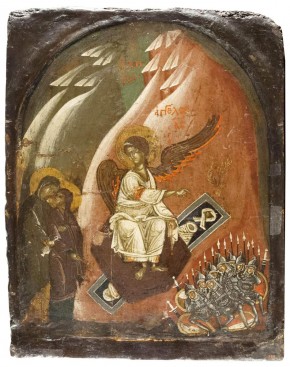
Образок «Жены-мироносицы у Гроба Господня. Святые Стефан и Никола»
- Carving. 5,8 × 4,8 × 0,8
- The State Russian Museum
- ДРКам.-36
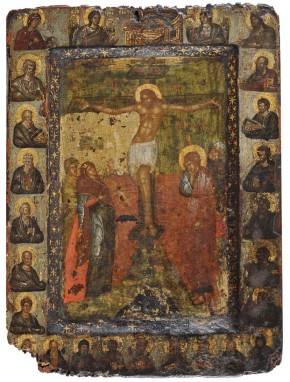
Распятие
- Wood, tempera. 24 × 17,9 × 1,5
- The State Russian Museum
- ДРЖ-219
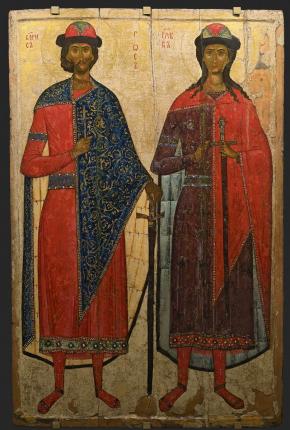
St Boris and St Gleb
- Mid-14th century
- Wood, gesso, tempera. 142,5 x 94,3 x 2,5
- The State Russian Museum
- ДРЖ-2117
St Boris and St Gleb were the youngest of the twelve sons of Prince Vladimir of Kiev (978–1015). Boris ruled Rostov and Gleb ruled Murom.After Prince Vladimir’s death in 1015, their brother, Svyatopolk of Turov, seized the throne of Kiev for himself and had the brothers murdered. For his act of fratricide, Svyatopolk became known in Russia as «the cursed”. Boris and Gleb were known for their humility and Christian virtues.
For meekly accepting death and refusing to raise their hands against their brother, they were worshipped as «passion-bearers”. Symbolising Christian meekness in the face of internecine warfare and sibling rivalry, Boris and Gleb were regarded as the first Russian martyrs. Their humble acceptance of death was likened to Christ’s own sacrifice and death on the cross. In 1037, Jaroslav the Wise canonized the two brothers, who became the first Russian saints.
This particular icon depicts the two princes in royal robes, holding crosses and swords. The professional attributes of the work suggest that it was painted by a leading icon-painter in the fourteenth century. Russian Museum: From Icons to the Modern Times. Palace Editions, St Petersburg, 2015. P. 41.
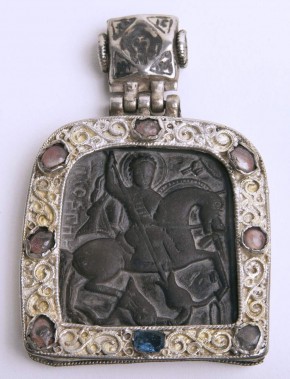
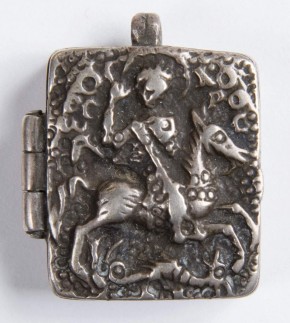
Образок «Чудо Георгия о змие»
- Silver, , glass, carving, , niello. 8,7 × 5,8
- The State Russian Museum
- БК-2412
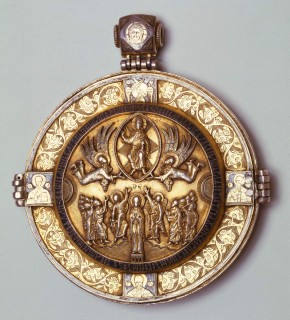
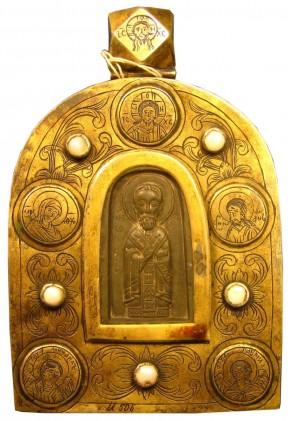
Панагия
- Silver, forging, casting, engraving, gilding, niello. 15,6 х 13,6
- The State Russian Museum
- БК-3267
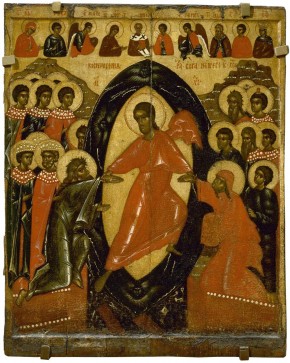
The Resurrection and Descent into Limbo
- Pskov
- Late 14th century
- Wood, tempera. 81,3 x 65 x 3
- The State Russian Museum
- ДРЖ-2120
The iconography of the scene is based on the apocryphal Gospel of St Nicodemus, liturgical texts, psalms, Old Testament prophecies, St Peter’s Epistles and patristic compositions. St Epiphanius of Constantia and St Eusebius of Alexandria’s Descent of Jesus Christ into Hell tell how Christ descended into the abyss after the Resurrection. He overthrew Satan and liberated the righteous, erasing the original sin of Adam and Eve with His blood.
The main idea of the Resurrection (Greek: Anastasis) is the celebration of Christ’s victory over hell and death. This concept is united in the icon with the theme of suffering and sorrow and trepidation before the inscrutable mystery of the Resurrection. The Resurrection of Christ was a particularly popular theme in the Pskov school of icon-painting, which developed its own unique version of the subject, quite unlike Byzantine or Old Russian iconography. Russian Museum: From Icons to the Modern Times. Palace Editions, St Petersburg, 2015. P. 44.
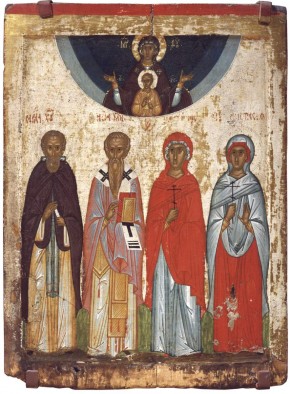
Богоматерь Знамение и избранные святые: преподобный Варлаам Хутынский, святитель Иоанн Милостивый, мученицы Параскева и Анастасия
- Wood, tempera. 66,3 × 50,2 × 2,6
- The State Russian Museum
- ДРЖ-2061
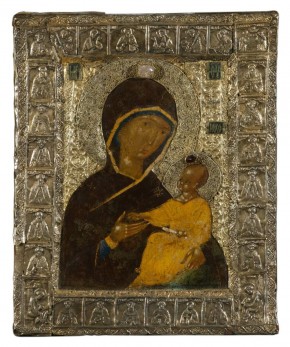
Богоматерь Одигитрия
- Wood, tempera. 32,4 х 26,7 х 2,6
- The State Russian Museum
- ДРЖ-2059
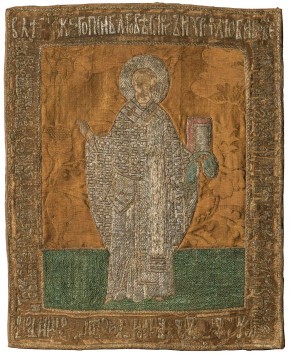
Святой Николай Чудотворец
- Wood, gesso, tempera. 27,0 х 20,0 х 2,0
- The State Russian Museum
- ДРЖ-2058
Деталь хороса
- Bronze, casting. 50 × 112 × 6
- The State Russian Museum
- ДРМ-3353
Miracle of St.George and the Dragon, with Scenes from his Life
- Novgorod
- Wood, gesso, tempera. 86 х 63 х 2,5
- The State Russian Museum
- ДРЖ-2118
Parts:
- St. George gives away his possessions to the poor
- Warriors arrest St. George
- St. George before the Emperor
- St. George in prison
- St. George tortured on the wheel
- St. George destroys idols
- St. George tortured with rods
- St. George is flogged
- St. George “crushed by a rock”
- Torture with candles
- St. George “boiled in a cauldron”
- St. George tortured with a saw
- St. George boiled in pitch
- St. George’s is beheaded.
Образок «Жены-мироносицы у Гроба Господня. Святые Стефан и Никола»
- Carving. 5,8 × 4,8 × 0,8
- The State Russian Museum
- ДРКам.-36
Распятие
- Wood, tempera. 24 × 17,9 × 1,5
- The State Russian Museum
- ДРЖ-219
Жены мироносицы у Гроба Господня
- Wood, gesso, tempera.
- The State Russian Museum
- ДРЖ-1591
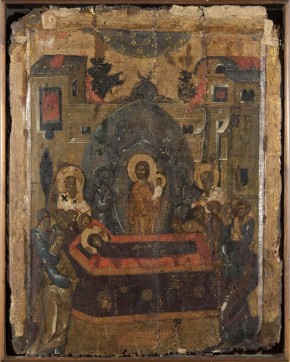
Успение Богоматери
- Wood, tempera. 59 × 46,5 × 4,5
- The State Russian Museum
- ДРЖ-1561
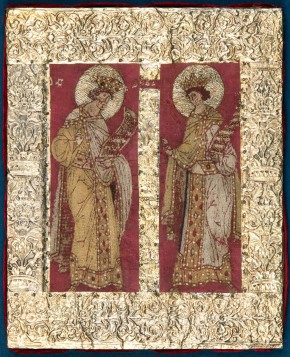
Шитая икона «Пророки Давид и Соломон»
- Wood, silver, stamping, taffeta, velvet, , , . 26,8 х 21,5
- The State Russian Museum
- ДРТ-17
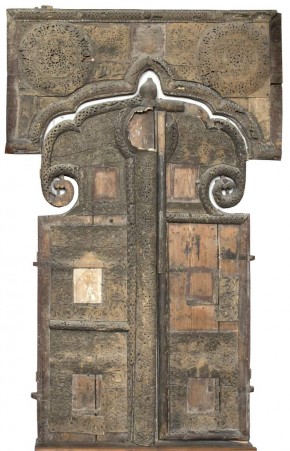
Царские врата с сенью
- 1438 (?)
- Wood, carving, gilding.
- The State Russian Museum
- ДРД-433
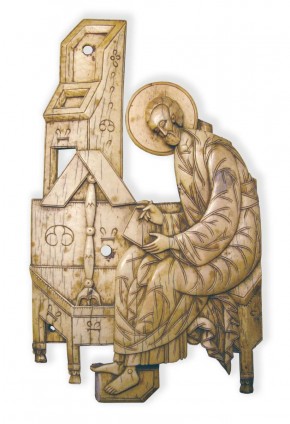
Евангелист Марк (?)
- Bone, carving. 14,6 × 8,7 × 0,9
- The State Russian Museum
- ДРК-56
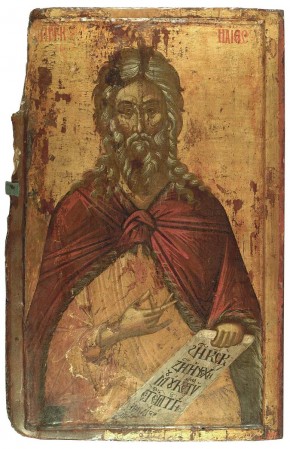
Святой Илия пророк
- Wood, tempera. 73,3 × 47,5 × 2,8
- The State Russian Museum
- ДРЖ-1220
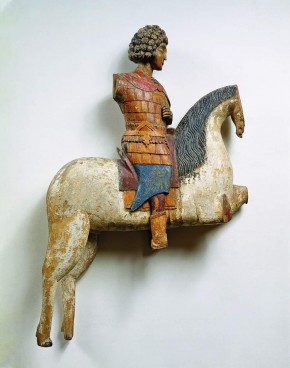
Святой Георгий Победоносец
- Wood, carving, , gilding. 71 × 43 × 10,5
- The State Russian Museum
- ДРД-473
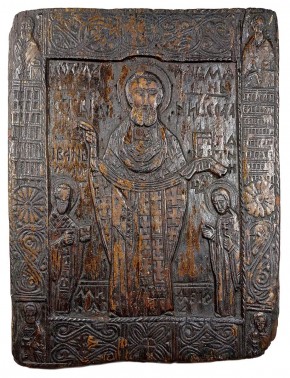
Никола, Иоанн Милостивый и Параскева Пятница
- Wood, carving, . 30,5 х 23,5 х 2,3
- The State Russian Museum
- ДРД-173
Хорос
- Casting.
- The State Russian Museum
- ДРМ-3366
Богоматерь Боголюбская
- Wood, gesso, silver, stones:, velvet, tempera. 27 х 21,5 х 3
- The State Russian Museum
- ДРЖ-331
Покров Богоматери
- Wood, gesso, tempera. 65 х 48,4 х 2,5
- The State Russian Museum
- ДРЖ-1557
Распятие
- Wood, gesso, tempera. 76,0 х 53,5 х 2,8
- The State Russian Museum
- ДРЖ-1219
Святой Федор Змееборец
- Silver, chasing, engraving. 3,1 × 2,5 × 0,9
- The State Russian Museum
- БК-1756
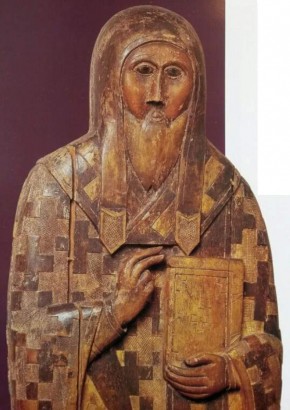
Евфимий, архиепископ Новгородский
- Wood, carving, gilding, . 172 × 45 × 19
- The State Russian Museum
- ДРД-495
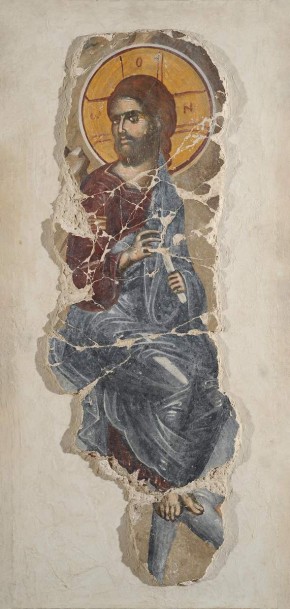
Иисус Христос
- .
- The State Russian Museum
- ДРЖ-2652
Царские врата («Лихачевские»)
- Wood, copper, .
- The State Russian Museum
- ДРМ-3383
Апостол Петр
- Wood, gesso, tempera, . 32,3 х 22,0 х 1,5
- The State Russian Museum
- ДРЖ-1634
Архангел Михаил
- Wood, gesso, tempera, . 32,5 х 25,5
- The State Russian Museum
- ДРЖ-1632
Богоматерь
- Wood, gesso, tempera, . 34,2 × 23,2 × 1,5
- The State Russian Museum
- ДРЖ-1630
Христос Вседержитель
- Wood, gesso, tempera, . 33,5 × 23,3 × 1,5
- The State Russian Museum
- ДРЖ-1629
Иоанн Предтеча
- Wood, gesso, tempera, . 33,3 × 23 × 1,5
- The State Russian Museum
- ДРЖ-1631
Апостол Павел
- Wood, gesso, tempera, . 31,6 х 23,2
- The State Russian Museum
- ДРЖ-1635
Архангел Гавриил
- Wood, gesso, tempera, . 33,2 х 22,2 х 1,5
- The State Russian Museum
- ДРЖ-1633
St Boris and St Gleb
- Mid-14th century
- Wood, gesso, tempera. 142,5 x 94,3 x 2,5
- The State Russian Museum
- ДРЖ-2117
St Boris and St Gleb were the youngest of the twelve sons of Prince Vladimir of Kiev (978–1015). Boris ruled Rostov and Gleb ruled Murom.After Prince Vladimir’s death in 1015, their brother, Svyatopolk of Turov, seized the throne of Kiev for himself and had the brothers murdered. For his act of fratricide, Svyatopolk became known in Russia as «the cursed”. Boris and Gleb were known for their humility and Christian virtues.
For meekly accepting death and refusing to raise their hands against their brother, they were worshipped as «passion-bearers”. Symbolising Christian meekness in the face of internecine warfare and sibling rivalry, Boris and Gleb were regarded as the first Russian martyrs. Their humble acceptance of death was likened to Christ’s own sacrifice and death on the cross. In 1037, Jaroslav the Wise canonized the two brothers, who became the first Russian saints.
This particular icon depicts the two princes in royal robes, holding crosses and swords. The professional attributes of the work suggest that it was painted by a leading icon-painter in the fourteenth century. Russian Museum: From Icons to the Modern Times. Palace Editions, St Petersburg, 2015. P. 41.
The Resurrection and Descent into Limbo
- Pskov
- Late 14th century
- Wood, tempera. 81,3 x 65 x 3
- The State Russian Museum
- ДРЖ-2120
The iconography of the scene is based on the apocryphal Gospel of St Nicodemus, liturgical texts, psalms, Old Testament prophecies, St Peter’s Epistles and patristic compositions. St Epiphanius of Constantia and St Eusebius of Alexandria’s Descent of Jesus Christ into Hell tell how Christ descended into the abyss after the Resurrection. He overthrew Satan and liberated the righteous, erasing the original sin of Adam and Eve with His blood.
The main idea of the Resurrection (Greek: Anastasis) is the celebration of Christ’s victory over hell and death. This concept is united in the icon with the theme of suffering and sorrow and trepidation before the inscrutable mystery of the Resurrection. The Resurrection of Christ was a particularly popular theme in the Pskov school of icon-painting, which developed its own unique version of the subject, quite unlike Byzantine or Old Russian iconography. Russian Museum: From Icons to the Modern Times. Palace Editions, St Petersburg, 2015. P. 44.
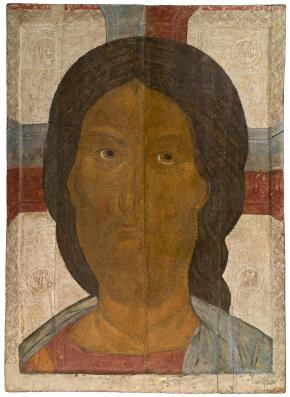
Спас Вседержитель («Ярое око») / Спас оплечный
- Wood, pavoloka, tempera, gesso.
- The State Russian Museum
- ДРЖ-1889
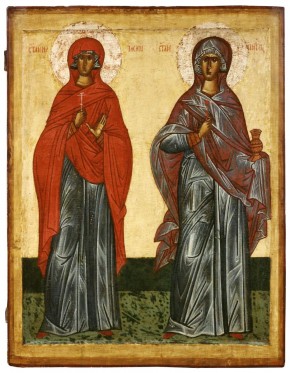
Параскева и Анастасия
- Wood, gesso, tempera. 75,0 х 58,0 х 3,0
- The State Russian Museum
- ДРЖ-2069
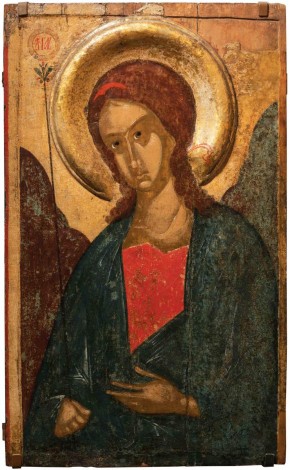
Архангел Гавриил, из деисусного чина
- Wood, tempera. 104 × 63 × 3
- The State Russian Museum
- ДРЖ-2121
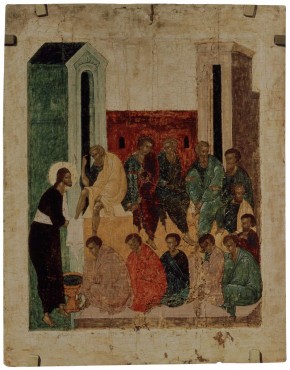
Омовение ног
- Wood, tempera. 75 × 58,3 × 2,9
- The State Russian Museum
- ДРЖ-1214
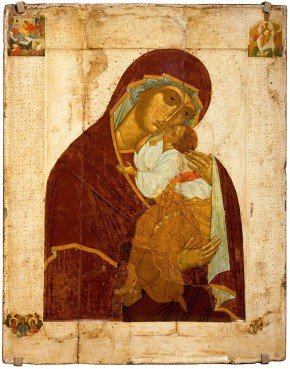
Богоматерь Умиление (Ярославская), с четырьмя клеймами: Рождество Богоматери. Отечество Собор Архангелов. Собор Апостолов
- Wood, gesso, tempera. 106 х 83,5 х 3
- The State Russian Museum
- ДРЖ-2101
Чудо святого Феодора Тирона о змие
- Wood, tempera. 131 × 86,8 × 2,8
- The State Russian Museum
- ДРЖ-2128
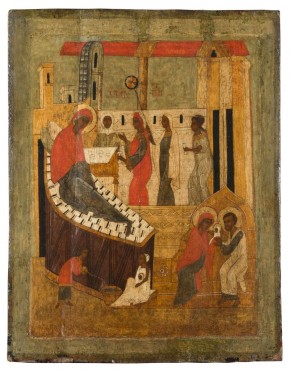
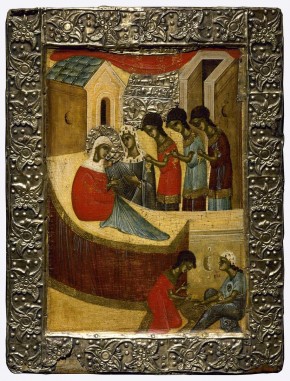
Рождество Богоматери
- Wood, gesso, tempera. 61 х 52,7 х 2,3
- The State Russian Museum
- ДРЖ-1208
Северная дверь иконостаса. Деисус. Чудо Георгия о змие. Никита, побивающий беса
- Wood, tempera. 165,5 × 69,5 × 1,9
- The State Russian Museum
- ДРЖ-2125
Богоматерь Умиление, типа Яхренской (Яхромской).
- Wood, gesso, tempera. 124 х 98 х 3,5
- The State Russian Museum
- ДРЖ-2133
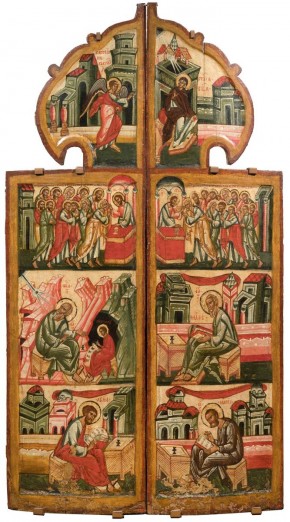
Царские врата
- Wood, tempera. 167,5 × 75,5 × 2,5
- The State Russian Museum
- ДРЖ-1998
Образок «Чудо Георгия о змие»
- Silver, , glass, carving, , niello. 8,7 × 5,8
- The State Russian Museum
- БК-2412
Богоматерь Знамение и избранные святые: преподобный Варлаам Хутынский, святитель Иоанн Милостивый, мученицы Параскева и Анастасия
- Wood, tempera. 66,3 × 50,2 × 2,6
- The State Russian Museum
- ДРЖ-2061
Образок двухсторонний «Святой Николай Чудотворец. Святой Федор Тирон»
- Silver, copper, , mother of pearl, carving, engraving. 10,2 × 6,7 × 0,8
- The State Russian Museum
- ДРКам-170
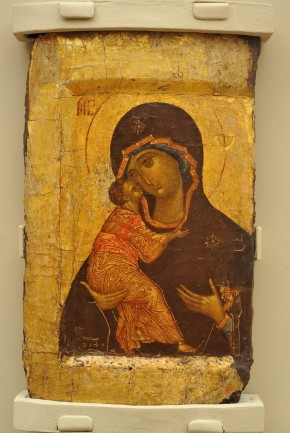
Богоматерь Владимирская
- Wood, gesso, tempera. 29 х 17,5 х 2,1
- The State Russian Museum
- ДРЖ-275
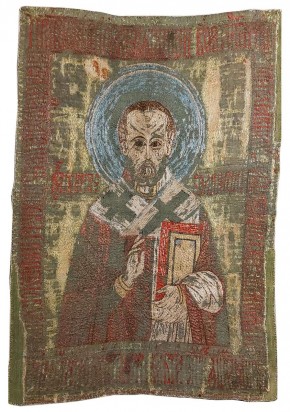
Пелена «Святой Николай Чудотворец («Великорецкий»)»
- Canvas, . 30,5 х 20,5
- The State Russian Museum
- ДРТ-27
Евангелист Матфей и София Премудрость
- Wood, tempera. 52,2 × 37,7 × 2,8
- The State Russian Museum
- ДРЖ-1418
Рождество Христово
- Wood, tempera. 48,8 х 40,8
- The State Russian Museum
- ДРЖ-1416
Чудо Георгия о змие с избранными святыми
- Wood, carving, . 29 × 22,2 × 2
- The State Russian Museum
- ДРД-175
Алексий человек Божий
- Silk, canvas, . 41 × 31,5
- The State Russian Museum
- ДРТ-8
Явление Богоматери Сергию Радонежскому
- Wood, carving, , , silver, chasing, engraving. 27,8 х 19,8 х 1
- The State Russian Museum
- ДРД-171
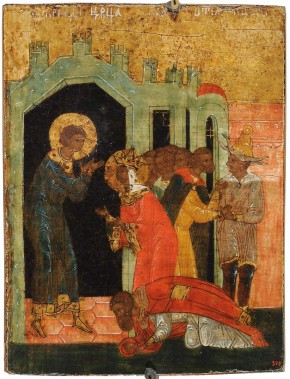
Беседа святого Георгия с царицей Александрой в темнице
- 1544 (?)
- Wood, gesso, tempera. 20,6 х 15,9 х 1,5
- The State Russian Museum
- ДРЖ-20
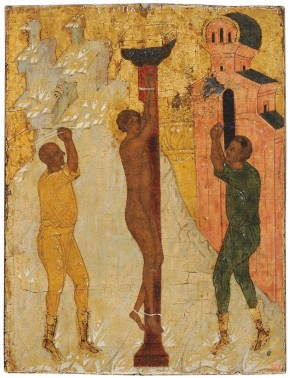
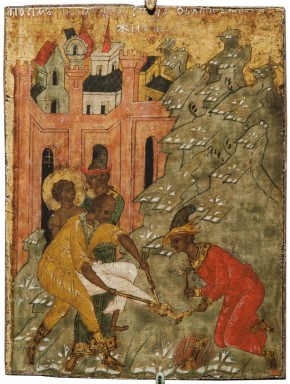
Бичевание святого Георгия воловьими жилами у столпа
- 1544 (?)
- Wood, gesso, tempera. 20,5 х 16,0
- The State Russian Museum
- ДРЖ-14
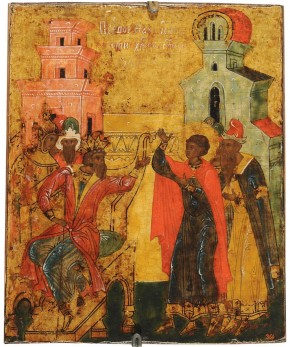
Исповедание веры св. Георгием перед царем Диоклетианом
- 1544 (?)
- Wood, gesso, tempera. 18,5 х 15,5
- The State Russian Museum
- ДРЖ-10
Колесование святого Георгия
- 1544 (?)
- Wood, gesso, tempera. 18,5 х 15,0
- The State Russian Museum
- ДРЖ-7
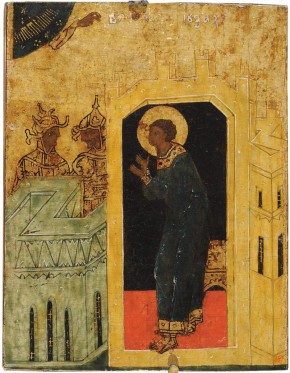
Моление святого Георгия в темнице
- 1544 (?)
- Wood, gesso, tempera. 20,1 х 15,5
- The State Russian Museum
- ДРЖ-4
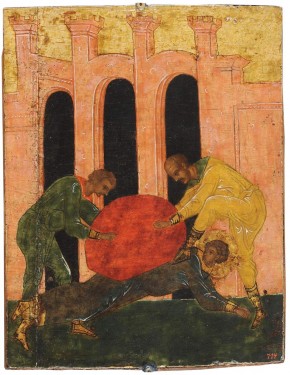
Мучение святого Георгия камнем
- 1544 (?)
- Wood, gesso, tempera. 18,7 х 14,7
- The State Russian Museum
- ДРЖ-5
Мучение святого Георгия раскаленными железными сапогами
- 1544 (?)
- Wood, gesso, tempera. 21,0 х 16,0
- The State Russian Museum
- ДРЖ-11
Побиение святого Георгия камнями
- 1544 (?)
- Wood, gesso, tempera. 18,5 х 14,5
- The State Russian Museum
- ДРЖ-13
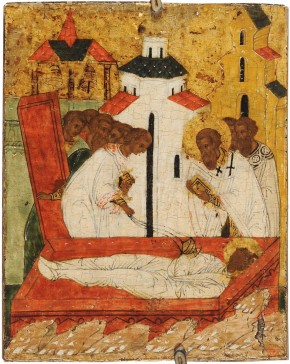
Погребение святого Георгия
- 1544 (?)
- Wood, gesso, tempera. 18,7 х 14,7 х 1,5
- The State Russian Museum
- ДРЖ-22
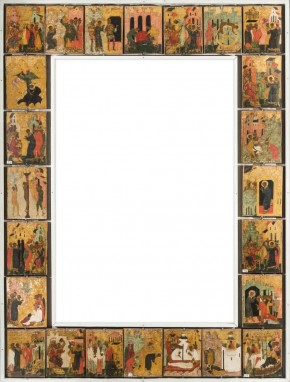
Рама с 24 клеймами жития великомученика Георгия
- 1544 (?)
- Wood, gesso, tempera.
- The State Russian Museum
- ДРЖ-1-24
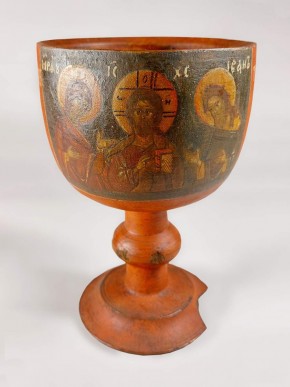
Потир
- Wood, , .
- The State Russian Museum
- ДРД-390
Брачный венец
- Wood, gesso, carving, gilding, .
- The State Russian Museum
- ДРД-425
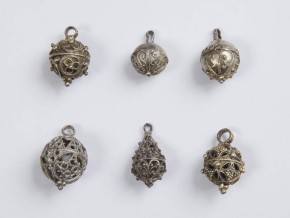
Пуговицы
- Gilding, , .
- The State Russian Museum
- БК-1153; БК-866; БК-1160; БК-865; БК-1164; БК-1155
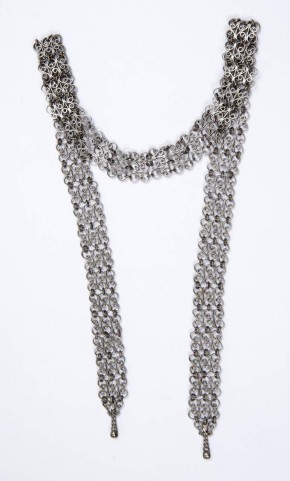
Цепь
- Silver, , casting, , , . 83,5 × 2
- The State Russian Museum
- БК-1802
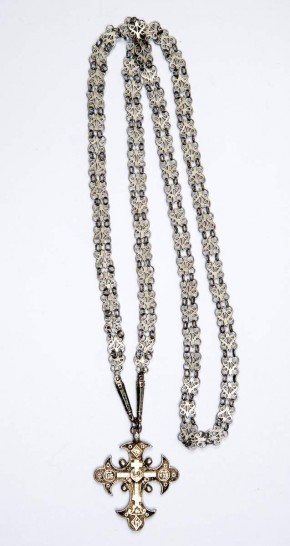
Цепь с крестом
- Silver, , casting, , gilding, , .
- The State Russian Museum
- БК-1784; БК-1785
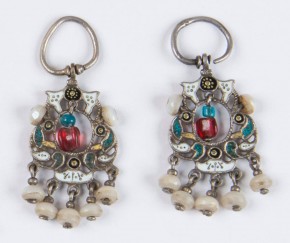
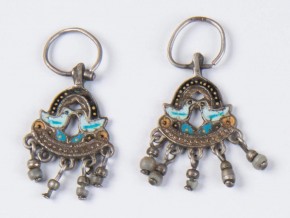
Серьги
- Silver, pearls, , casting, enamel.
- The State Russian Museum
- БК-1478; БК-1479
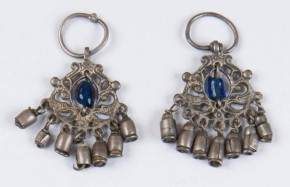
Серьги
- Silver, , casting, .
- The State Russian Museum
- БК-1496; БК-1497
Серьги
- Silver, , , casting, gilding. 5,4 × 3
- The State Russian Museum
- БК-1520; БК-1521
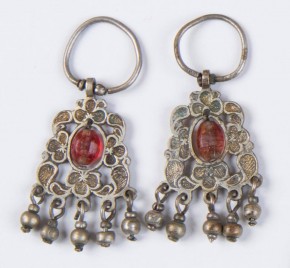
Серьги
- Silver, , casting, gilding. 5,9 × 2,7; 6,1 × 2,6
- The State Russian Museum
- БК-1510; БК-1511
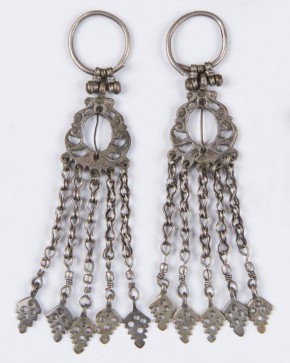
Серьги
- Silver, casting, enamel. 11,1 × 3,5; 11,1 × 3,5
- The State Russian Museum
- БК-1652; БК-1653
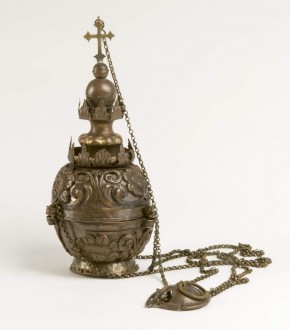
Кадило
- Copper, chasing, raising, .
- The State Russian Museum
- ДРМ-3057
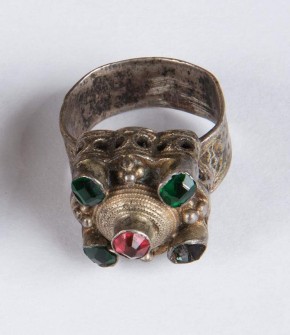
Перстень
- Silver, glass, casting, gilding, , , . 3,4 × 2,3 × 1,8
- The State Russian Museum
- БК-1678
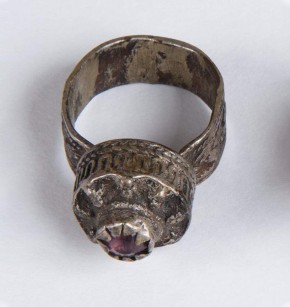
Перстень
- Silver, , casting, , , . 3,6 × 2,2 × 1,6
- The State Russian Museum
- БК-1734
Евангелие
- .
- The State Russian Museum
- ДР/ГР.-11
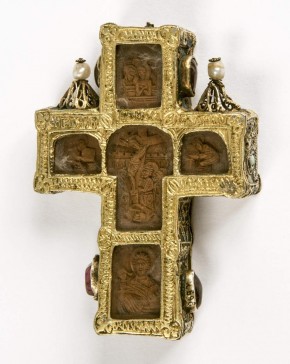
Крест
- Wood, carving, , silver, casting, , engraving, pearls, , turquoise, . 8,1 × 5,9 × 1,6
- The State Russian Museum
- БК-3367
Чаша
- Silver, chasing, gilding. 4,5 × 14,7
- The State Russian Museum
- БК-2996
Распятие, избранные святые
- Silver, engraving, gilding, wood, velvet, glass, stamping. 31,9 × 27,7 × 3,8
- The State Russian Museum
- БК-3129
Складень
- Silver, wood, chasing, , carving, engraving. 19,7 × 21,7
- The State Russian Museum
- БК-2816
Богоматерь Владимирская
- 1885
- Wood, tempera. 31 × 26 × 2,2
- The State Russian Museum
- ДРЖ Б-1163
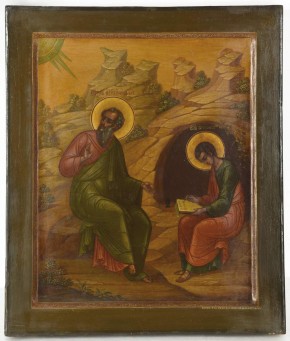
Иоанн Богослов и Прохор
- Wood, gesso, tempera.
- The State Russian Museum
- ДРЖ Б-1166
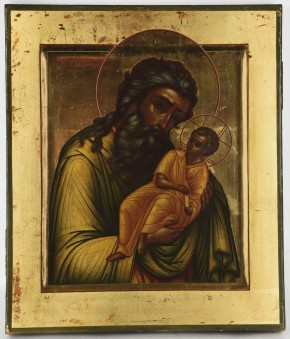
Симеон Богоприимец
- Wood, gesso, tempera.
- The State Russian Museum
- ДРЖ Б-376
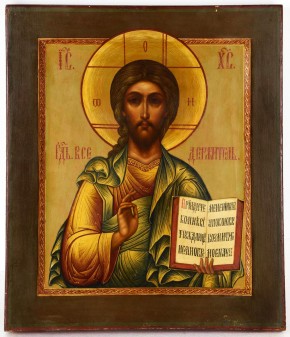
Спаситель
- Wood, gesso, tempera.
- The State Russian Museum
- ДРЖ Б-340
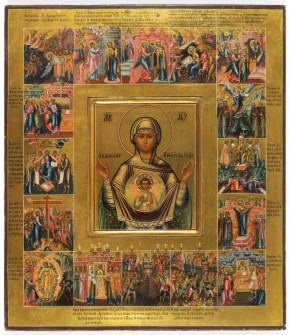
Богоматерь Знамение, с Акафистом и Чудом от иконы Знамение в Новгороде
- 1902
- Wood, tempera. 35,4 × 30,6 × 3
- The State Russian Museum
- ДРЖ Б-1169
Господь Вседержитель
- 1903
- Wood, tempera. 35 × 31,1 × 2,8
- The State Russian Museum
- ДРЖ Б-1489
Богоматерь Корсунская
- 1904
- Wood, gesso, mixed media, .
- The State Russian Museum
- ДРЖ Б-1165
Архангел Михаил
- Wood, tempera. 31,2 × 26,5 × 3,2
- The State Russian Museum
- ДРЖ Б-1675
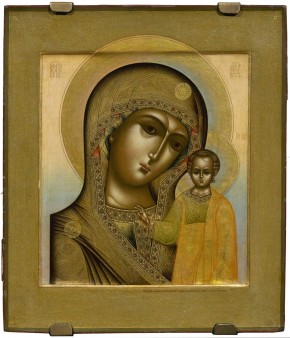
Богоматерь Казанская
- Wood, gesso, tempera, , . 30,8 х 25,8 х 2,4
- The State Russian Museum
- ДРЖ Б-1173
Мстера, Владимирская губерния / область
Палех, Владимирская губерния / Ивановская область
Парилов Михаил Петрович
Тюлин А. Я.
Брягин И. В.
St Boris and St Gleb
- Mid-14th century
- Wood, gesso, tempera. 142,5 x 94,3 x 2,5
- The State Russian Museum
- ДРЖ-2117
St Boris and St Gleb were the youngest of the twelve sons of Prince Vladimir of Kiev (978–1015). Boris ruled Rostov and Gleb ruled Murom.After Prince Vladimir’s death in 1015, their brother, Svyatopolk of Turov, seized the throne of Kiev for himself and had the brothers murdered. For his act of fratricide, Svyatopolk became known in Russia as «the cursed”. Boris and Gleb were known for their humility and Christian virtues.
For meekly accepting death and refusing to raise their hands against their brother, they were worshipped as «passion-bearers”. Symbolising Christian meekness in the face of internecine warfare and sibling rivalry, Boris and Gleb were regarded as the first Russian martyrs. Their humble acceptance of death was likened to Christ’s own sacrifice and death on the cross. In 1037, Jaroslav the Wise canonized the two brothers, who became the first Russian saints.
This particular icon depicts the two princes in royal robes, holding crosses and swords. The professional attributes of the work suggest that it was painted by a leading icon-painter in the fourteenth century. Russian Museum: From Icons to the Modern Times. Palace Editions, St Petersburg, 2015. P. 41.
Панагия
- Silver, forging, casting, engraving, gilding, niello. 15,6 х 13,6
- The State Russian Museum
- БК-3267
Димитрий Солунский
- Wood, gesso, tempera. 51,5 х 40,2 х 2,3
- The State Russian Museum
- ДРЖ-1602
Рождество Богоматери
- Wood, gesso, tempera, , , . 96,5 х 77 х 3
- The State Russian Museum
- ДРЖ-2070
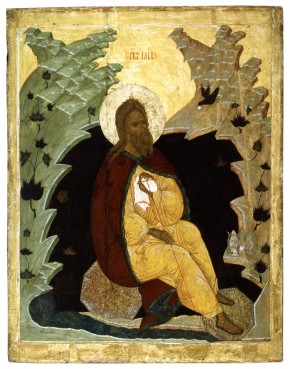
Илья Пророк в пустыне
- Wood, tempera. 100 × 78 × 2,5
- The State Russian Museum
- ДРЖ-1892
Царские врата
- Wood, tempera. 152,5 × 86 × 3
- The State Russian Museum
- ДРЖ-2002
«Хвалите Господа с небес…»
- Wood, tempera. 40 × 31,7 × 2,3
- The State Russian Museum
- ДРЖ-2143
Лицевой покров «Преподобный Пафнутий Боровский»
- Silk, velvet, , . 168 × 67,5
- The State Russian Museum
- ДРТ-297
Святой Николай Чудотворец («Зарайский»)
- 1518
- Damask, canvas, . 39,3 × 31
- The State Russian Museum
- ДРТ-49
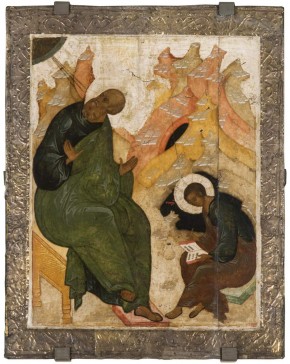
Иоанн Богослов и Прохор
- Wood, tempera. 59 × 46 × 2,5
- The State Russian Museum
- ДРЖ-1562
Собор святого Иоанна Крестителя
- Wood, tempera. 117 × 112 × 3
- The State Russian Museum
- ДРЖ-1812
Святой Николай Чудотворец с житием в 18 клеймах
- Wood, tempera. 128 × 97 × 3
- The State Russian Museum
- ДРЖ-2094
«О Тебе радуется ...»
- Wood, tempera. 143,2 х 106,2 х 2,5
- The State Russian Museum
- ДРЖ-2137
Вседержитель
- Wood, tempera. 34 × 24,7 × 2,2
- The State Russian Museum
- ДРЖ-1169
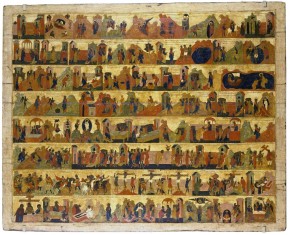
Земная жизнь Христа. «Лицевое Евангелие»
- Wood, tempera. 153 × 191 × 3
- The State Russian Museum
- ДРЖ-1690
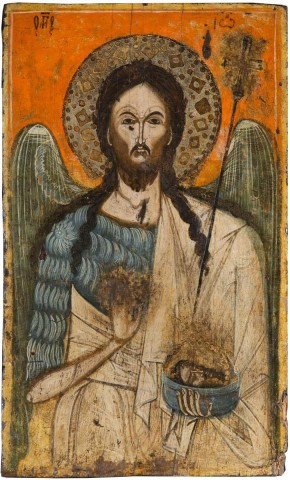
Иоанн Предтеча, крылатый
- Wood, tempera. 75,5 × 45 × 2,7
- The State Russian Museum
- ДРЖ-1218
Огненное восхождение пророка Илии на небо
- Wood, tempera. 48 × 35,8 × 2,4
- The State Russian Museum
- ДРЖ-1597
Троица Ветхозаветная
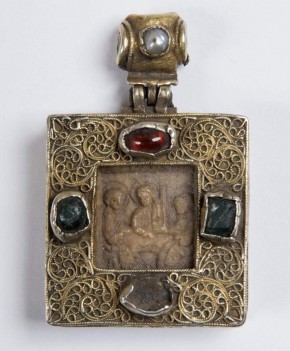
- Bone, carving, , wood, silver, chasing, , gilding, glass. 4,3 × 2,8
- The State Russian Museum
- БК-2844
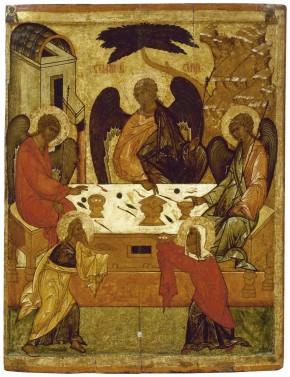
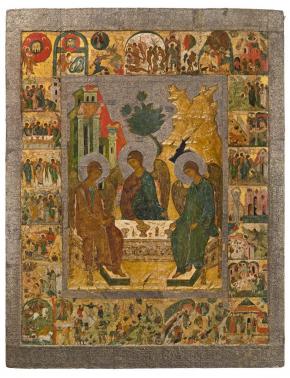
Троица Ветхозаветная
- Wood, tempera. 116 × 89 × 3
- The State Russian Museum
- ДРЖ-1750
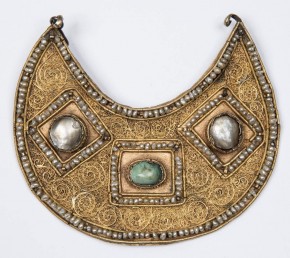
Цата
- Silver, gold, , gilding, turquoise, pearls. 11,4 × 13,2
- The State Russian Museum
- БК-3119
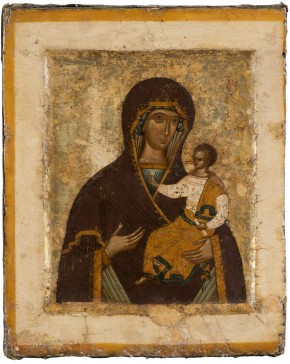
Богоматерь Одигитрия
- Wood, tempera. 32,4 х 26,7 х 2,6
- The State Russian Museum
- ДРЖ-2059
Рождество Богоматери
- Wood, gesso, silver, tempera. 32 х 24 х 1,5
- The State Russian Museum
- ДРЖ-2131
Богоматерь Одигитрия
- Wood, gesso, tempera. 26,8 х 21,7 х 2,4
- The State Russian Museum
- ДРЖ-987
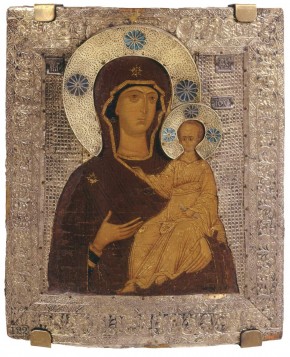
Богоматерь Смоленская
- Wood, gesso, silver, tempera. 31,3 х 25,8 х 1,7
- The State Russian Museum
- ДРЖ-1154
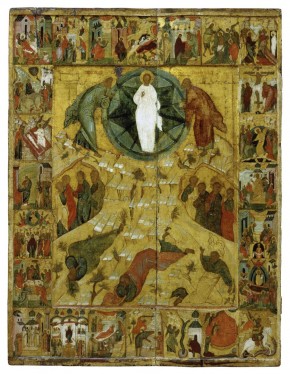
Преображение, с праздниками в 24 клеймах
- Wood, tempera. 133 х 102,3 х 3,6
- The State Russian Museum
- ДРЖ-1879
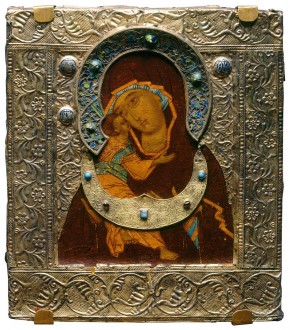
Богоматерь Владимирская
- Wood, gesso, silver, glass, canvas, tempera, , . 32 х 27,7 х 2,1
- The State Russian Museum
- ДРЖ-302
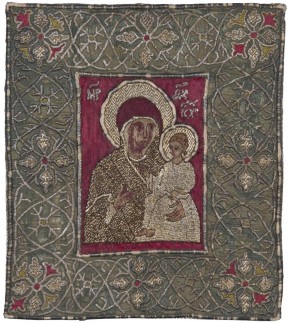
Богоматерь Одигитрия (Иверская)
- Damask, canvas, . 27 × 23
- The State Russian Museum
- ДРТ-46
Троица Ветхозаветная "в бытии"
- Wood, gesso, tempera, metal.
- The State Russian Museum
- ДРЖ-2138
«Предста Царица»
- Wood, gesso, silver, pearls, canvas, tempera, , . 42,1 х 34 х 2,7
- The State Russian Museum
- ДРЖ-2060
Христос Вседержитель
- Wood, tempera. 42 × 34 × 2,5
- The State Russian Museum
- ДРЖ-249
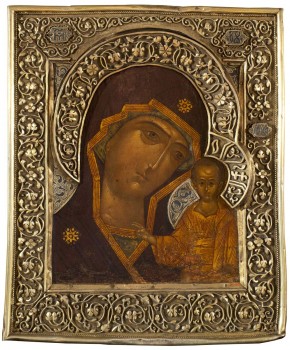
The Mother of God of Kazan
- Moscow
- Before 1638
- Wood, fabric, tempera. 28,7 × 24,2 × 2,5
- The State Russian Museum
- ДРЖ-2454
The original icon of the Mother of God of Kazan was discovered by a girl called Matryona among ashes in Kazan in 1579, after the city was taken by the forces of Ivan the Terrible. The work later became one of the holiest objects in Russia and wasprayed to during enemy invasions. The iconography is based on the Mother of God Hodigitria.
This work is an early copy of the original icon and was donated to the Convent of the Intercession of the Holy Virgin in Suzdal by Prince Ivan Shuisky in memory of his late wife Martha, who died in 1638 and was buried at the convent. The restrained colourlit is based on a combination of muffled tones and the rays of gold on Christ’s tunic and Mary’s shoulder-piece. The setting dates from the same period as the paintwork, resulting in a united work of art. Russian Museum: From Icons to the Modern Times. Palace Editions, St Petersburg, 2015. P. 60.